What’s new
Last month, the U.S. Treasury Department announced it would double its budget for buying back long-term government bonds from investors. This move has been applauded by some as a way to keep the bond market running smoothly. Others argue it does little to address America’s bigger fiscal challenges. One of the loudest critics is none other than Treasury Secretary Scott Bessent’s former mentor, Stanley Druckenmiller.
But before we get into the debate, let’s start with the basics:
- What is a Treasury bond?
- Why would the government buy back its own debt?
- What does a bond buyback accomplish?
We’ll also walk through why some investors — including Druckenmiller — aren’t convinced buybacks are the right move.
What is a government bond?
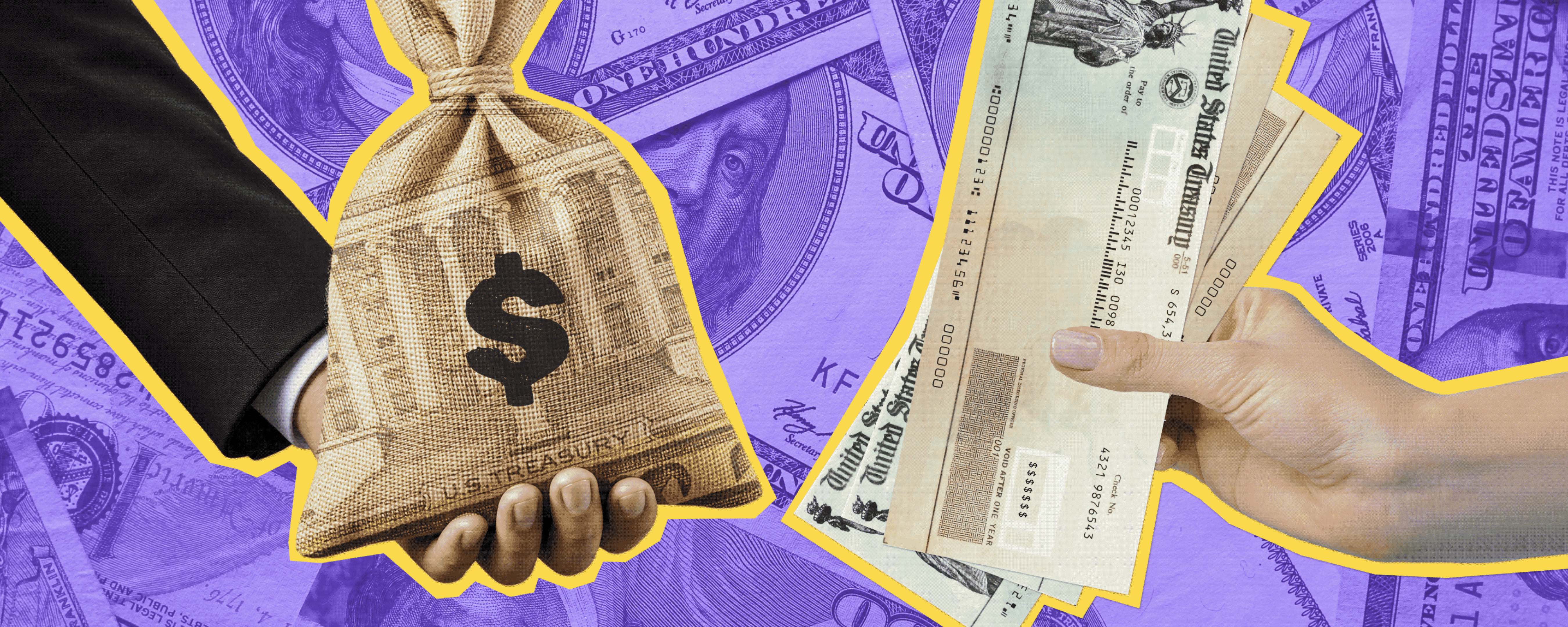
When the federal government spends more than it collects in revenue, it borrows money by selling Treasury bonds to investors. The government gets to spend this money immediately, and in exchange, investors earn interest over a set amount of time, known as the maturity. When a bond matures, investors — who have been receiving interest payments over the life of the bond — get back their original investment. Bond maturities range from one month to 30 years, and the interest the government pays in the meantime is the bond’s yield. When yields rise, it becomes more expensive for the government to borrow.
What is a bond buyback?
A bond buyback occurs when the Treasury purchases previously issued government bonds from investors before they reach maturity. But to pay off current investors, the Treasury typically issues new bonds. In other words, it borrows more money. This new debt is often issued at different maturity timelines. For example, the Treasury may buy back long-term bonds that take a longer time to mature by issuing short-term bonds that mature more quickly. Short-term bonds are also easier to sell because investors can get their money back sooner and have more certainty about bond prices and interest rates.
Why are they doing this?
Since 2024, the Treasury has regularly used buybacks to keep the bond market running smoothly and manage the nation’s debt. This tactic allows investors to sell old bonds that are harder to unload. This frees up cash for them to invest back into the economy and possibly buy more government debt.
Buybacks can also help lower the yields — or interest payments — that the government pays on its bonds, making it less expensive for it to borrow.
Here’s how that works: When the Treasury buys back bonds, it creates more demand while reducing the supply available to investors. With more buyers and fewer bonds, investors are willing to accept a lower rate of return — in other words, a lower yield.
With yields on 30-year bonds reaching a 19-year high last month, this goal likely played a more significant role in the Treasury’s recent buyback announcement. In fact, soon after the announcement, yields on 10- and 30-year bonds began to fall.
What did Stanley Druckenmiller have to say?
In a recent Wall Street Journal op-ed that caused quite the stir in financial and government circles, billionaire investor Stanley Druckenmiller questioned the Treasury’s rationale for ramping up buybacks.
So, who is Stanley Druckenmiller? Druckenmiller founded Duquesne Capital Management in 1981 and ran it until 2010. He also served as the lead portfolio manager for George Soros’ Quantum Fund and helped make the famous 1992 bet against the British pound. It was at the Quantum Fund that he hired now Treasury Secretary Scott Bessent, whom he helped mentor. Today, he leads the Duquesne Family Office.
Druckenmiller makes several arguments in his op-ed:
- The Treasury is addressing the wrong problem — Druckenmiller says the bond market was working normally, and there was no crisis requiring increased government intervention. He argues that yields have been rising because of high inflation, large federal deficits, and a $40 trillion national debt, which buybacks won't change. This was supported by the fact that lower yields following the buyback announcement quickly bounced back to high levels.
- Lowering yields could promote inaction — As Treasury yields rise, it becomes more expensive for the government to borrow. Druckenmiller says those higher costs may be one of the few forces pushing lawmakers to address the national debt. Buybacks can artificially make federal interest costs appear more manageable and make tax or spending changes less likely. In other words, lower yields could make the problem look smaller without solving it.
- Buybacks cannot fix the underlying imbalance — Treasury can change the maturity profile of government debt, but it cannot eliminate persistent deficits. Druckenmiller argues that only a credible plan to bring federal spending and revenue closer together can effectively lower long-term borrowing costs. He makes the case that Social Security and Medicare are the right places to target these efforts.
What this means for you.
Treasury bonds may seem far removed from your daily life, but their yields influence interest rates across the economy. When long-term Treasury yields rise, loans become more expensive. Higher borrowing costs can make it harder to accomplish your plans for the future — like earning a degree, buying a car, or financing a home.
Rising federal interest costs also consume money that could otherwise support government programs and services. Over time, that can pressure the government to spend less, raise taxes, or add more to the national debt.
Want to better understand how the bond market, national debt, and other policy developments affect you? Check out our newsletter for straightforward explanations of the latest news from Washington.
.webp)