
Policy Breakdown
The National Debt
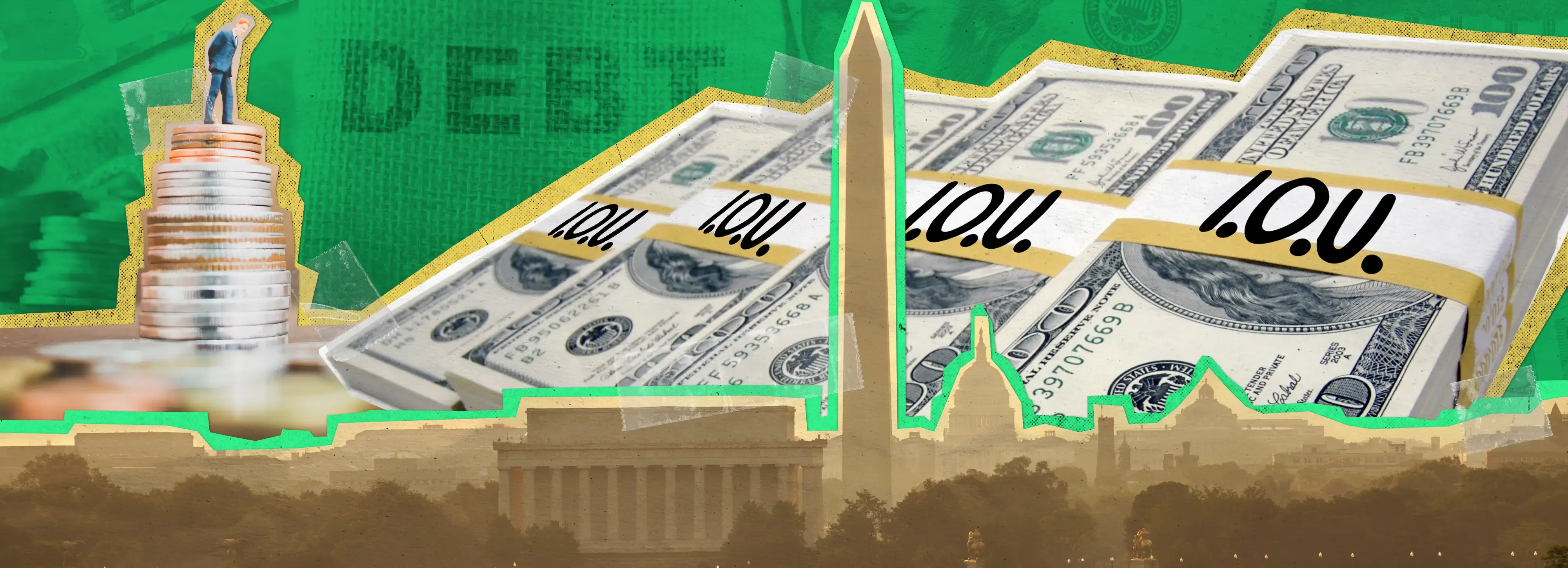
The national debt is the amount of money that the U.S. government has borrowed from — and owes to — its lenders. In 2026, it reached $40 trillion. Check out this primer to find out how we got here, why the debt matters, and what we can do about it.
WHAT IS THE NATIONAL DEBT?
The federal government pays for programs, services, and other expenses with the revenue it generates from taxes and other sources of income. But what happens when the government spends more than it takes in? It borrows money from individuals, financial institutions, foreign countries, and even other parts of the government.
The national debt is the total amount of money that the government has borrowed.
But how did it reach $40 trillion? And can we ever pay that back?
Origin
The history of the national debt is basically the history of America. We’ve been borrowing money to pay for government programs and services since the founding of the country. Depending on the challenges we faced, sometimes we borrowed more, sometimes less.
To understand how we got to $40 trillion, we have to start from the beginning: the country’s founding.

BRIEF HISTORY
To fund the fight for independence, America borrowed money from wealthy individuals and foreign governments like France and Spain. During this time, it was often individual states borrowing to fund the war effort. Once it ended, Alexander Hamilton convinced lawmakers that the federal government should assume those state debts and become the primary borrower for all government operations. By 1791, the national debt totaled $75 million.

America’s debt then fluctuated until President Andrew Jackson committed to paying it off. To do that, he implemented the highest tariffs in American history, sold public lands in the West, and vetoed federal projects. On January 1, 1835, the national debt was nearly zero. This was the first and only time that ever happened.
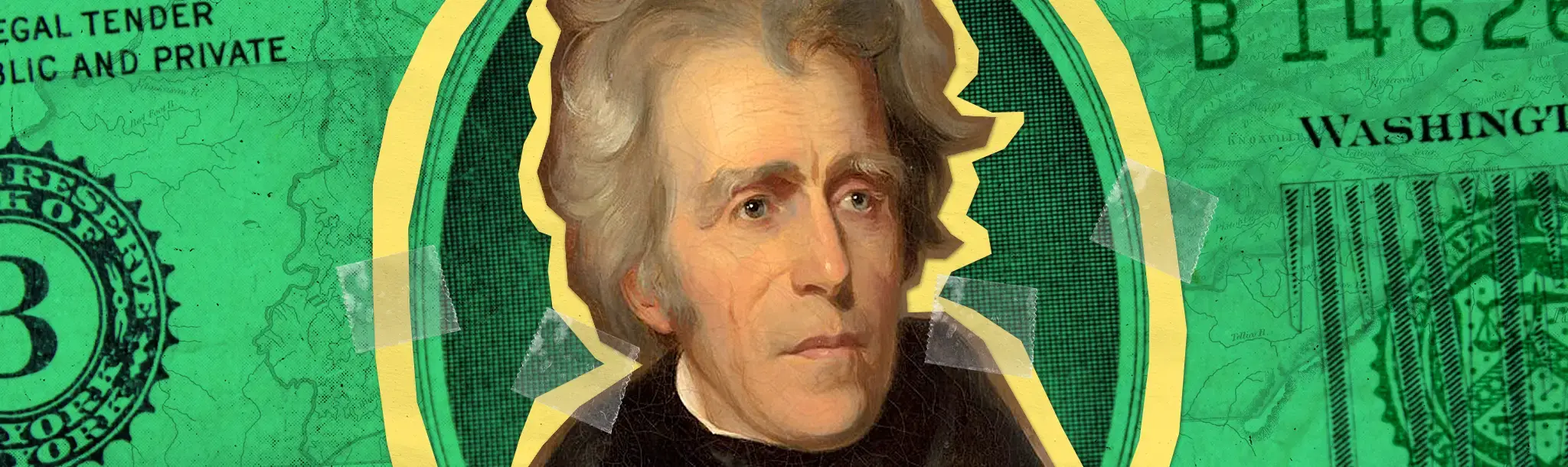
Debt began rising again in 1837 and skyrocketed during the Civil War. By the end of the war in 1865, a reunified United States owed nearly $2.7 billion.

The next big surge in the debt came in April 1917, when the U.S. entered World War I. After 18 months of fighting, our national debt was $27.4 billion.

And that was chump change compared to the cost of World War II. By 1946, the national debt was over $269 billion.

After World War II, America entered the Cold War with the Soviet Union and fought in Korea, Vietnam, and Iraq. During this time, a number of large federal programs like Medicare and Medicaid were created, and existing programs like Social Security were expanded, resulting in a higher national debt. By the time the USSR collapsed in late 1991, the national debt was over $4 trillion.

Bipartisan reforms implemented under President Bill Clinton, including reducing spending on programs like Medicare and Medicaid, put the country on a more fiscally sustainable trajectory. In his 2000 State of the Union Address, he announced that the federal government was actually on track to pay off the national debt within 13 years.
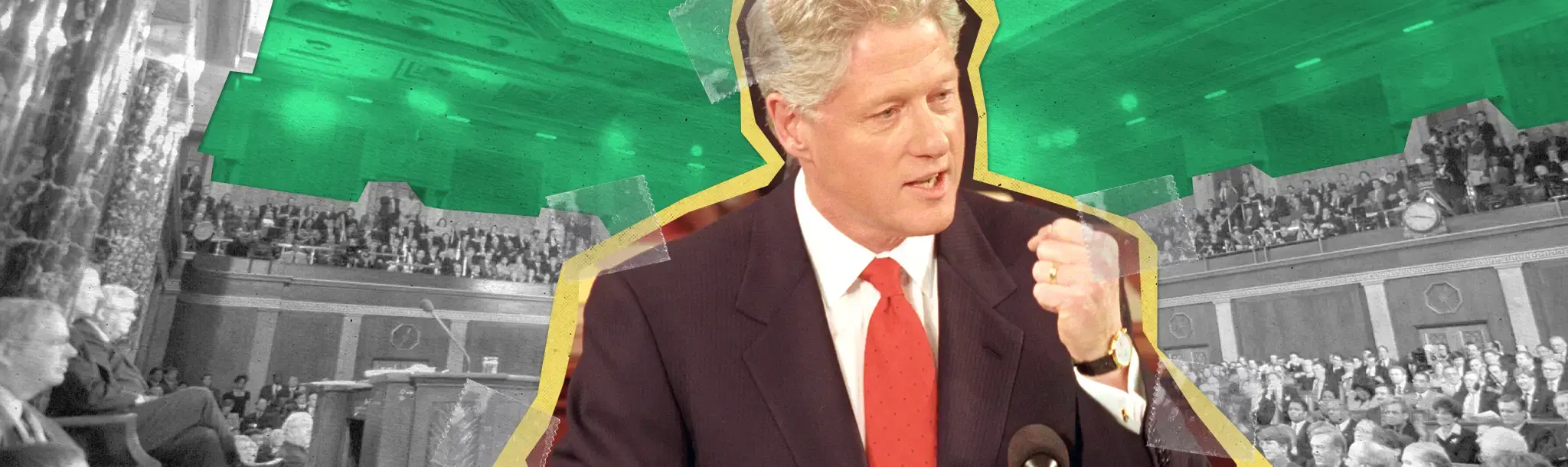
Spoiler alert: That didn’t happen.
The aftermath of the 9/11 attacks, wars in Iraq and Afghanistan, tax policy changes in 2001 and 2003, and the Great Recession drove America’s national debt to nearly $12 trillion by 2009.

The debt has continued to grow due to several factors, including lower tax revenues, COVID-19 relief spending, rising costs in major federal programs such as Medicare, Medicaid, and Social Security, and new programs created under the Affordable Care Act.
In 2026, the debt went over $40 trillion.

BY THE NUMBERS
On our current trajectory, the national debt will reach $41.3 trillion by the end of fiscal year 2027… and $63.7 trillion in the next decade.

