The following article summarizes legislation, proposals, and/or arguments within the current policy debate. This is not an endorsement of these proposals or policy positions.
America’s economic outlook just got a lot more concerning — especially if you’re a young person in America.
Last week, the national debt reached a record $40 trillion, months before the Congressional Budget Office (CBO) projected it would. If we continue on this path, the next generation will inherit a country with fewer economic opportunities and more fiscal challenges. That could mean lower incomes and fewer job opportunities; higher bills at the grocery store and the gas pump; and more expensive loans for everything from cars to homes.
The bottom line: A rising national debt will hit young Americans the hardest. If we want to avoid an economic crisis, we must educate them with the facts of our current financial challenges and teach them how to work together toward solutions.
To help, we asked ten policymakers and experts from both sides of the political aisle about what the national debt means for the next generation and why they should care. Keep reading for their perspectives.
Lindsay Hayes, Ph.D.

Dr. Hayes is the president, CEO, and co-founder of Across the Aisle. She previously served as a writer and communications consultant in the White House and the U.S. Senate, for a Cabinet-level agency, and on two presidential campaigns. Under her leadership, Across the Aisle has grown into a national organization that provides young Americans with the resources they need to understand complex public policy issues and become effective voters, thought leaders, and officeholders.
What Lindsay is saying about the $40 trillion milestone:
“Why should we be worried about the national debt reaching $40 trillion? Just ask millennials and Gen Z. For them, this milestone means fewer jobs, slower wage growth, and greater borrowing costs for things like college, cars, and first homes. Fortunately, what we’ve seen at Across the Aisle is that young Americans aren’t paralyzed by economic anxiety. In fact, they are using it as an opportunity to learn, lead, and find bipartisan solutions that benefit everybody.”
U.S. Representative Brian Fitzpatrick (R-PA)
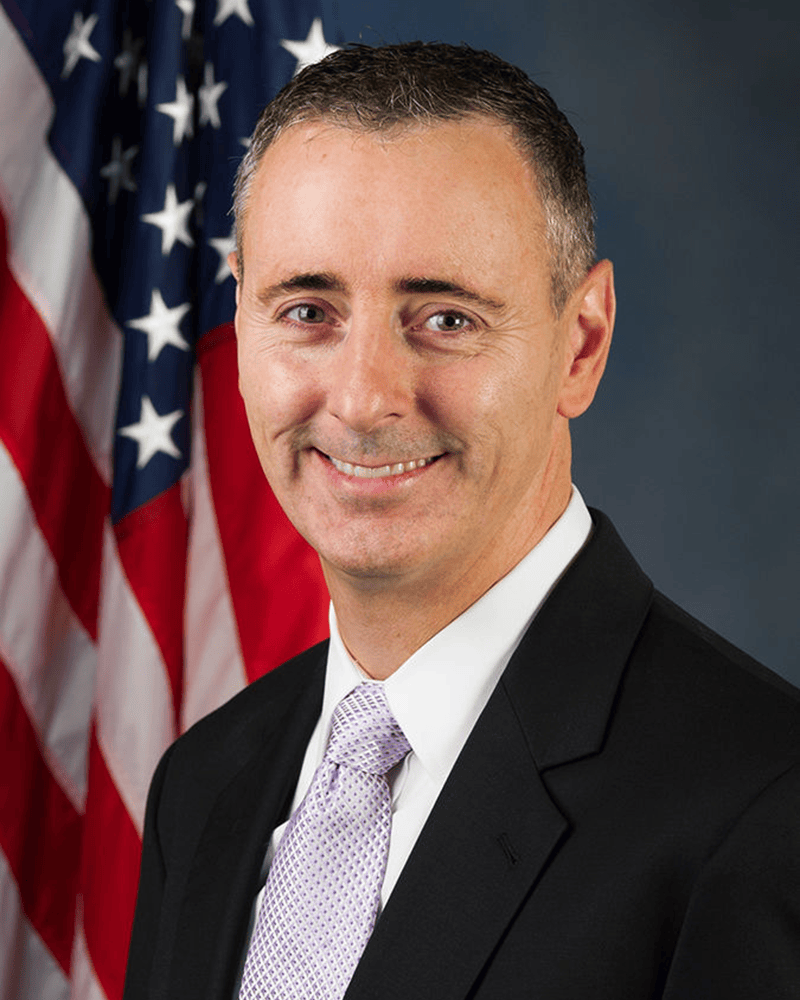
Known as one of the most bipartisan lawmakers, Fitzpatrick has served Pennsylvania's First Congressional District since 2017, focusing on infrastructure, public safety, veterans’ issues, and fiscal policy. As co-chair of the Problem Solvers Caucus, Fitzpatrick understands the need for bipartisan cooperation to address the budget crisis and has recently endorsed the Fiscal Contingency Preparedness Act, Fiscal Commission Act, and the Sustainable Budget Act.
What Rep. Fitzpatrick is saying about the $40 trillion milestone:
“The national debt reaching $40 trillion should be a flashing red warning light for every policymaker in Washington. This is not a Republican problem or a Democratic problem—it is a math problem, and arithmetic does not bend to politics. We cannot address the cost pressures facing American families without also confronting how Washington spends, borrows, and manages taxpayer dollars. That is exactly the work we are doing through the Problem Solvers Caucus Affordability Agenda: bringing Republicans and Democrats together around practical solutions to lower costs, strengthen economic growth, eliminate waste, and put our fiscal house on firmer footing. The American people are expected to make responsible choices with their own budgets, and they have every right to expect the same from their government. We owe the next generation greater opportunity—not a larger bill.”
U.S. Representative Tom Suozzi (D-NY)
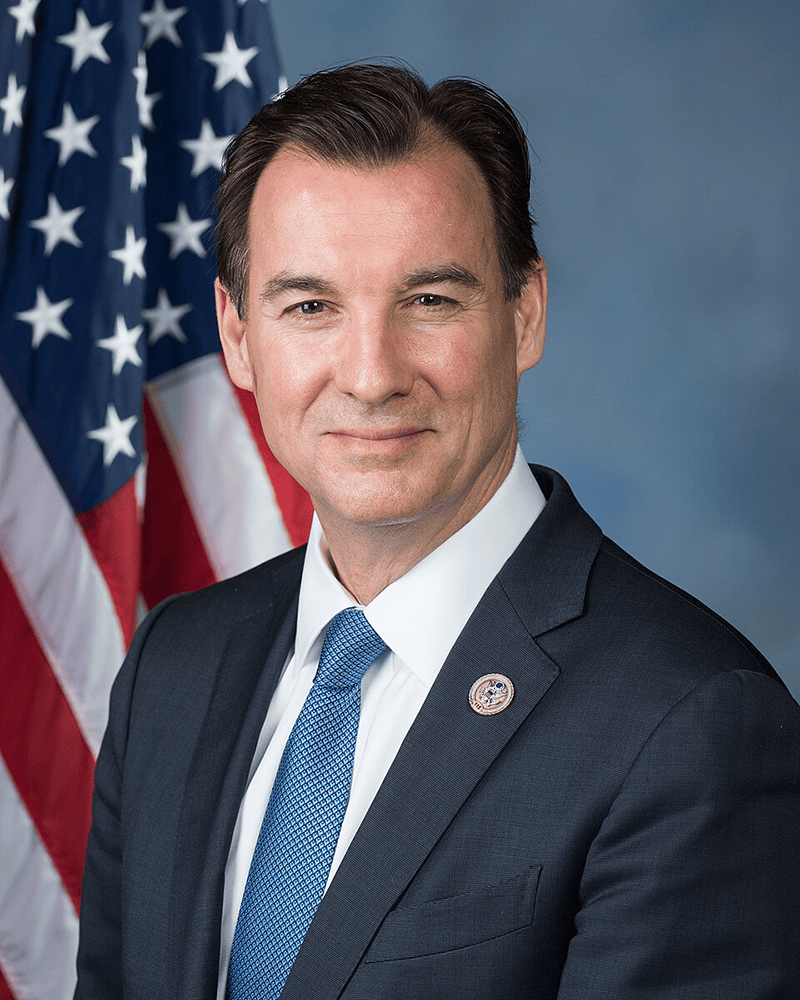
Suozzi was first elected in 2016 to represent New York’s Third Congressional District and earned a reputation on Capitol Hill as a practical, bipartisan lawmaker focused on issues such as fiscal responsibility, economic growth, and immigration reform. In 2025, Suozzi was selected to serve as one of the co-chairs of the Problem Solvers Caucus for his bipartisan efforts, including recent endorsements of the Fiscal Contingency Preparedness Act, Fiscal Commission Act, and Sustainable Budget Act.
What Rep. Suozzi is saying about the $40 trillion milestone:
“The national debt continues to balloon. We can’t keep kicking this can down the road, making life more expensive for Americans now, and expecting future generations to foot the bill. Fixing this will require both parties to work together. Democrats and Republicans need to sit down in good faith to find a bipartisan path forward.”
Bill Hoagland

Hoagland is a policy expert who manages and directs the Bipartisan Policy Center's fiscal, health, and economic policy analyses. Prior to joining the Bipartisan Policy Center, he worked for CIGNA Corporation, where he developed its health care reform strategy. Hoagland spent more than 20 years on Capitol Hill assisting members with the budget and appropriations process.
What Bill is saying about the $40 trillion milestone:
“Public debt is a form of taxation on future generations. The country’s unsustainable fiscal path means future generations will experience a lower standard of living than their parents and grandparents. They will experience increased taxation to service the accumulated debt, resulting in less resources available for investments in public goods such as education, infrastructure, science, and technology that would benefit their standard of living. We will have eaten the seed corn of the future. Worse still, as policymakers attempt to reduce the impact of debt, the siren call to inflate our way out of the mess will result in levels of inflation unexperienced in history.”
Romina Boccia

Having previously served as the director of the Grover M. Hermann Center for the Federal Budget at the Heritage Foundation, Boccia is a leading expert in fiscal policy, the federal budget, the national debt, and the reform of Social Security and Medicare. During her time at Heritage, she authored Blueprint for Balance, which helped shape the president’s 2016 budget proposal. Boccia released her latest book on Social Security reform last year and runs an economics blog and newsletter that has gained popularity with members of Congress.
What Romina is saying about the $40 trillion milestone:
“The $40 trillion national debt represents a massive claim on the future earnings of young people. Every dollar we borrow today must ultimately be serviced through higher taxes, lower spending, or more borrowing tomorrow. Young Americans will be left paying the bill for spending decisions they had no say in making. Congress should address this liability by slowing the growth of entitlement spending, which are the main debt drivers. Grant the next generation room to build, invest, and prosper, instead of robbing them blind.”
Breyon Williams, Ph.D.

Dr. Williams is an applied economist and research strategist with a decade of experience in using data and evidence to inform economic policy that puts working people first. His work spans government, consulting, and the nonprofit sector. Prior to joining Groundwork, he was a Researcher at Mathematica, where he led complex evaluations for the U.S. Department of Education, the U.S. Department of Labor, and major philanthropies. Before Mathematica, Dr. Williams worked at Analysis Group, a leading litigation consulting firm, and the South Carolina Revenue & Fiscal Affairs Office.
What Breyon is saying about the $40 trillion milestone:
“Most of the $40 trillion debt traces back to more than four decades of tax cuts that flowed overwhelmingly to the ultra-wealthy and biggest corporations, at the expense of everyday families. Now, the people who ran up the tab for those at the very top want to tell you that the only way to pay it down is to cut vital programs that help ordinary Americans afford groceries and health care and the Social Security benefits that seniors are rightfully owed. Don’t believe them – the way forward is to fix the tax code by making the ultra-rich pay their fair share.”
Doug Holtz-Eakin
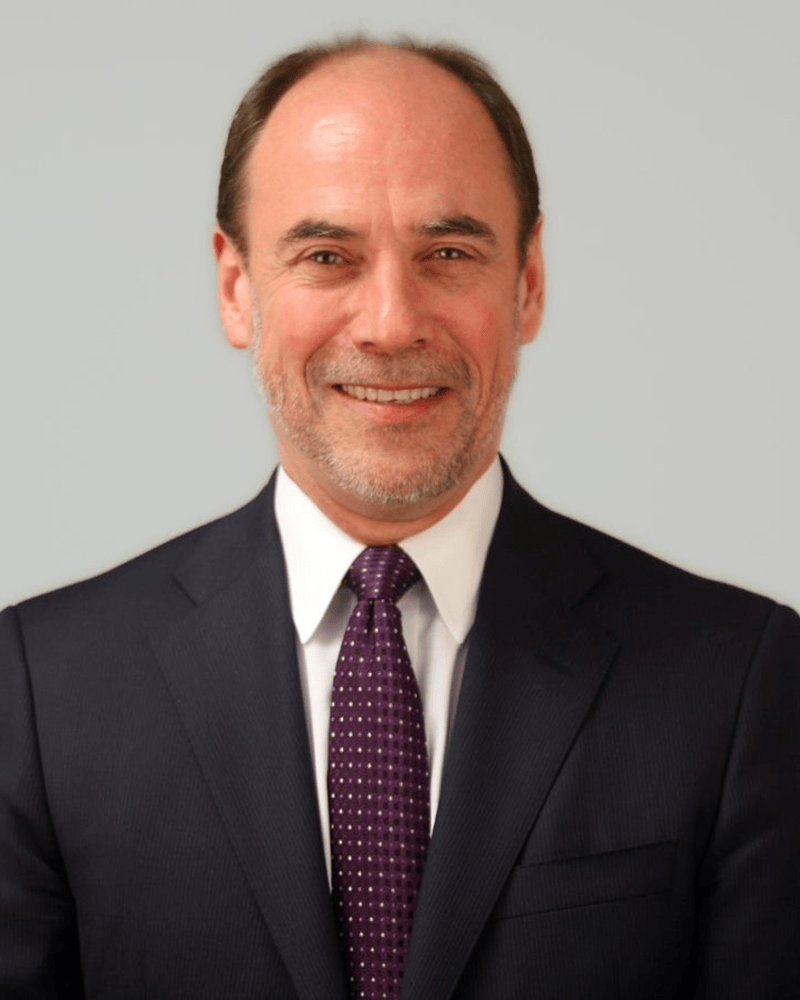
Holtz-Eakin is one of the leading experts in economics and fiscal policy, gaining him an international reputation as a researcher and scholar. Before founding the American Action Forum in 2009, he served as the chief economist of the President’s Council of Economic Advisers, helping shape policy following the aftermath of 9/11 and the 2008 recession, and became the 6th director of the Congressional Budget Office. There, Holtz-Eakin assisted Congress with the Jobs and Growth Tax Relief Reconciliation Act and the Medicare Modernization Act.
What Doug is saying about the $40 trillion milestone:
“$40 trillion is the length of the economic trail of tears produced by decades of fiscal folly. Fiscal mismanagement has generated rising headwinds to growth, robbed young workers of opportunities and advancement, and undercut the financial viability of the social safety net. It was never a good path to take; it is now an unacceptable path to continue to follow. America needs to chart a course of fiscal sanity and opportunity for the next generations.”
Bobby Kogan

Kogan is a federal budget expert who has spent his career supporting lawmakers and advancing fiscal legislation focused on budget priorities that meet the needs of vulnerable Americans. His extensive knowledge of economics and budget concepts led him to work for the U.S. Senate Committee and, later, the Office of Management and Budget, where he assisted with the American Rescue Plan and the Inflation Reduction Act.
What Bobby is saying about the $40 trillion milestone:
“While the level of debt is not particularly meaningful, the trajectory of the debt-to-GDP ratio is undeniably worrisome. Over time, it will push up interest rates and push down wage growth, which will hit younger Americans particularly hard, who have less money and are more likely to take on debt. But we should be absolutely clear how we got here in the first place: multiple rounds of expensive tax cuts, tilted towards the richest.”
Jonathan Burks
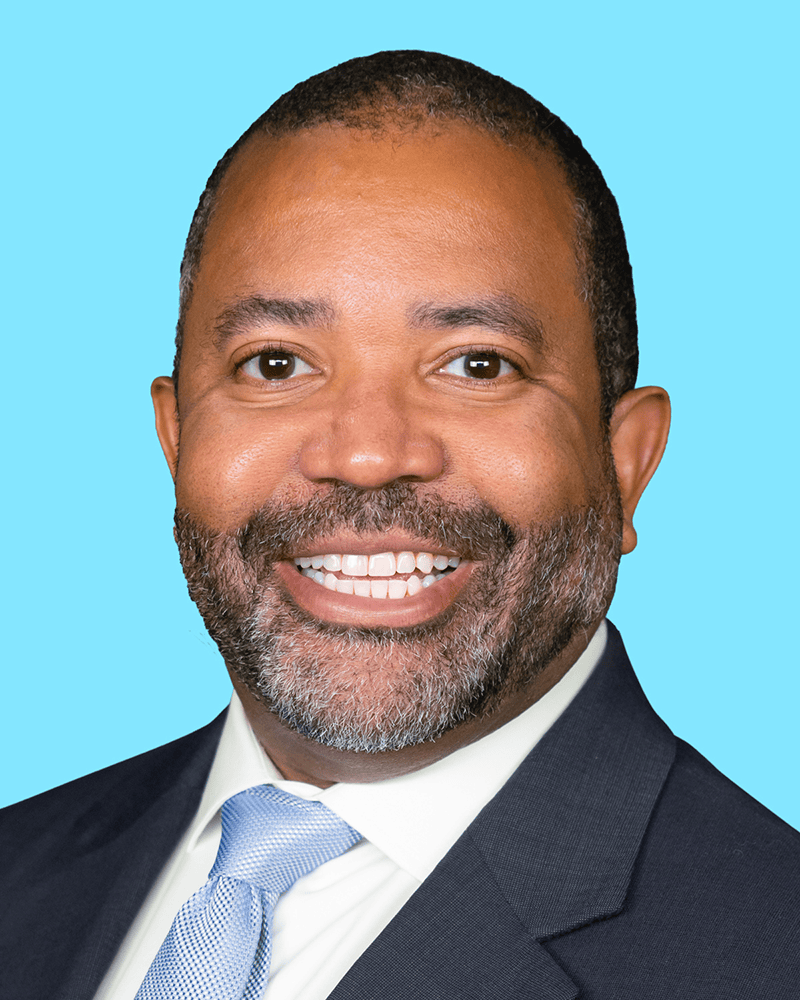
With more than two decades of experience across both the public and private sectors, Burks has made a name for himself as one of the leading health care and economic policy experts. He joined the U.S. Chamber of Commerce in 2026 to oversee economic and health policy programs following his time at the Bipartisan Policy Center, where he focused on developing bipartisan solutions to our nation’s biggest economic challenges. Burks previously served and advised members of Congress on policy and strategy, including as Chief of Staff to Speaker Paul Ryan.
What Jonathan is saying about the $40 trillion milestone:
“As has become readily apparent in recent weeks, large and persistent budget deficits and ever-growing mountains of federal debt are driving up interest rates. That raises costs for Americans trying to buy a first home, finance higher education, or start a new business. One of the most important things the government can do in the near term to increase affordability is to reduce the deficit and put us on a path to stabilizing the debt.”
Ryan Nunn, Ph.D.

Dr. Nunn is an economics expert focused on labor market and public finance policy issues. He previously served at the Federal Reserve Bank of Minneapolis, the Treasury Department, and the Brookings Institution, working on economic research and policy.
What Ryan is saying about the $40 trillion milestone:
“For many years, the federal government has spent substantially more than it raised in tax revenue. Now that the accumulated debt is much larger, the government has less space to invest in the future and to meet serious challenges, whether those are unexpected (like pandemics) or long-anticipated (like rising pension and health care costs). But policymakers do have many options for reducing deficits, and careful analysis of those options can help them meet the moment with well-informed decisions.”
How you can get involved.
Solving the national debt crisis will take Americans of every ideology and generation. If you want to get involved in making a difference, here are some ways to get started:
- Learn more about the issue with Free the Facts’ national debt primer.
- Develop the skills you need to become a changemaker in Washington with Answer the Call’s Ambassador Program.
- Subscribe to Free the Facts’ bi-weekly policy newsletter, TL/DR: D.C., to get the latest updates from Washington.
.webp)